|
|
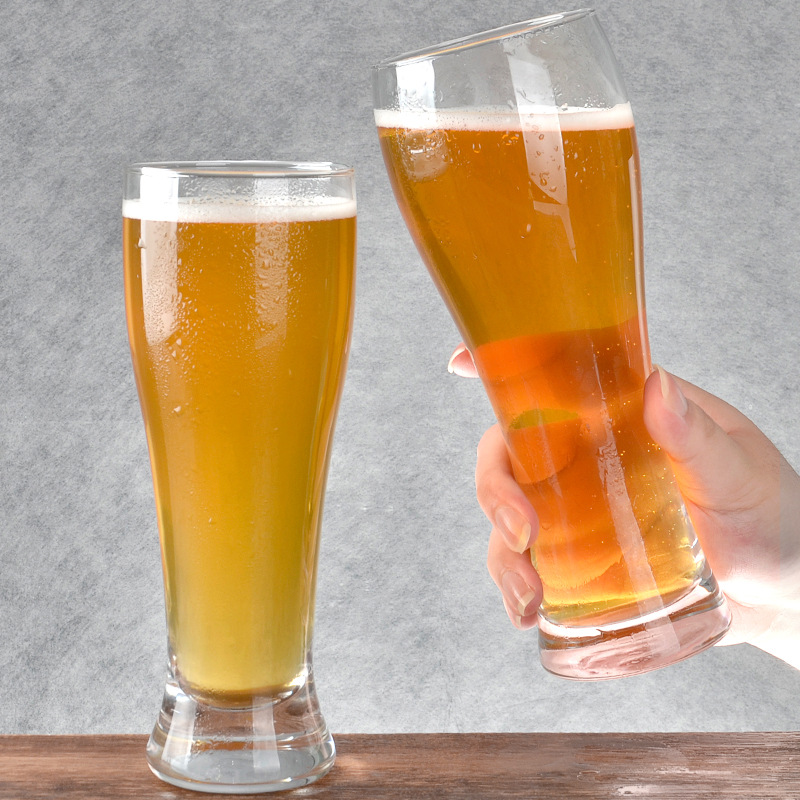
Beer Glass Types: The Ultimate Guide to Different kinds of Beer GlassesIssuing time:2022-11-10 14:25 When it comes to beer glass types, there is a multitude of options available because every beer has a certain dedicated glass type in which it should be poured. Beer should be poured into its respective glassware for a number of reasons - it has to do not only with the appearance of the beer, but also with its taste and aroma. In this guide, we will introduce the different types of beer glasses and the best uses for them to you. 1. WeizenbierThe cups are often used to serve wheat beers. the wide top of the glass not only provides room for the typical whole wheat beer, but also allows some of the aromas to escape.
2. PilsnerThe glass is perfect for lighter beers, such as Pilsner, hence the name, its standard shape is perfect for keeping your beer carbonated. This guarantees that each bite will be as delicious as the first. The slender glass shape ensures that you can see the carbonation of the beer, while the larger opening ensures that you can enjoy all the aromas of the beer.
3. Pint glassThe shape of this beer mug allows you to gently rotate your beer so you can really enjoy the taste and aroma of the beer you're about to drink. The lips curl slightly outward, perfectly keeping the big head of the beer. They have a short handle, but it's big enough so you can hold your glass without worrying about heating up your beer. Plus, the wide base guarantees it won't topple over if you accidentally bump into it while drinking.
4. Willi BecherThe cup is conical a few inches below the top, where it very gently curves inward a little. The opening, while not as small as some other beer mugs by any means, is still considerably smaller than a typical tapered pint glass. Again, it's the opening and overall shape of the glasses that makes them so pleasant to drink from. 5. StangeThese beer mugs are easy to handle, and these tall narrow cylindrical cups are not only comfortable to look at, but also to drink. They show off the colour and carbonation of the beer, and they are used with very delicate beers so that the volatiles are concentrated, allowing the drinker to really enjoy the taste of the beer.
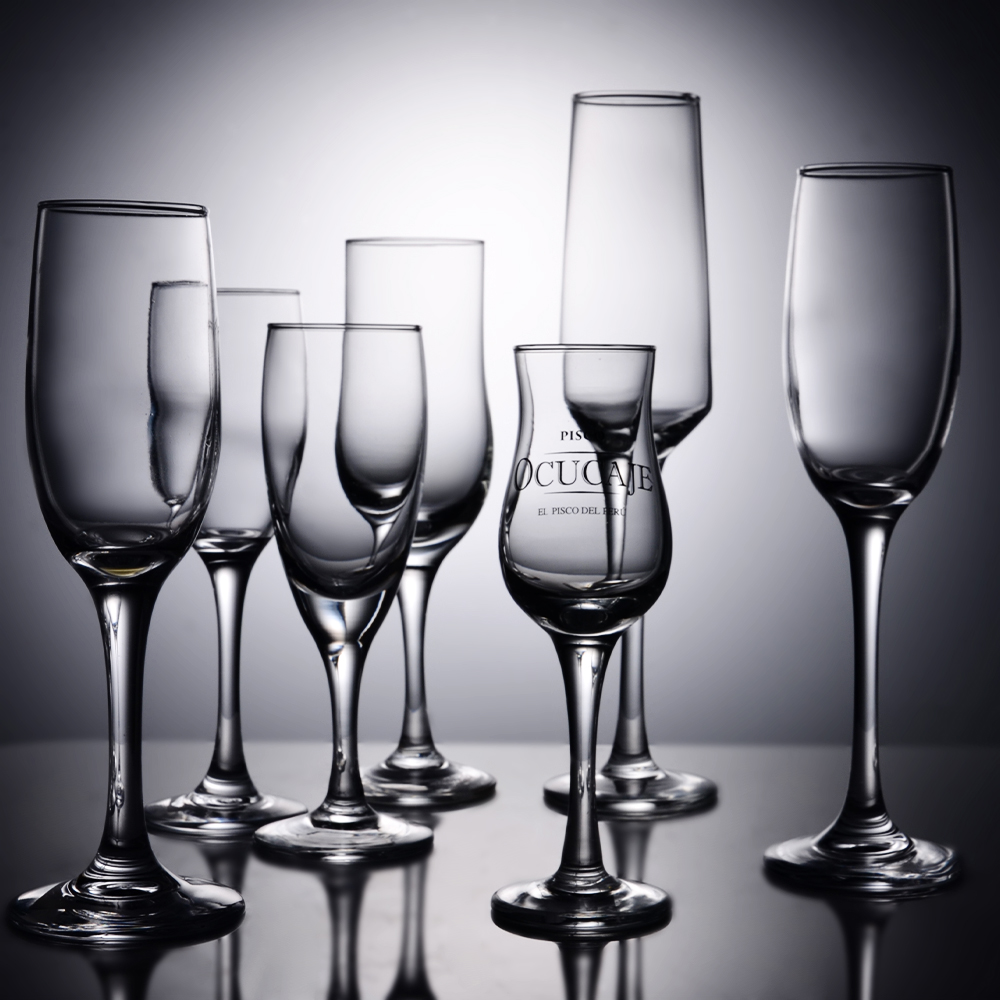
6. FluteThe glass is very similar in shape and function to a champagne glass. They are commonly used to serve fruit beers and their shape is a huge benefit to enjoying these drinks as it helps retain their carbonation. Their narrow shape also shows off color and active carbonation, making them fun to drink. They differ from champagne glasses in that their stems are not as long, making it easy to accidentally heat your drink with your hands. So be aware of this when you drink, so you can remember not to hold the glass for too long, as the heat from your hands can ruin the carbonation of the beer.
7. SnifterThe glass is usually only used for drinking cognac, but that doesn't mean you can't use it to drink beer. They are great for enhancing the flavor and aroma of a drink, as they are for some wines They are fairly small, bulbous and have much smaller openings than other glasses. Their unique shape allows drinkers to rotate their beer, which will improve the aroma and overall drinking experience.
8. GobletIt was a large bowl shaped glass on a stout handle. They are perfect for holding heavy beers and have a wide opening that makes it easy for you to enjoy your drink to the full. The stem is there to make sure you don't accidentally heat the beer with your hands.
9. Oktoberfest MugThese mugs usually hold 33 ounces of your favorite beer. Like an oversized dimple cup, they have a sturdy handle and dimple pattern that is very popular on German beer mugs. Thick glass walls help insulate the beer, and if you place the glass on a hard surface too quickly, the glass won't break easily. These thick walls also make sure you don't accidentally break glasses when you clink glasses with family or friends. They're hard to stack and store, but they're a great conversation piece when you have guests coming to a party.
Article classification:
Knowledge Popularization
|